Local Area · 27 October 2026
Am I Taking The P**s: The Well Round the Back, and Why Yorkshire Once Paid Good Money for What Went In It
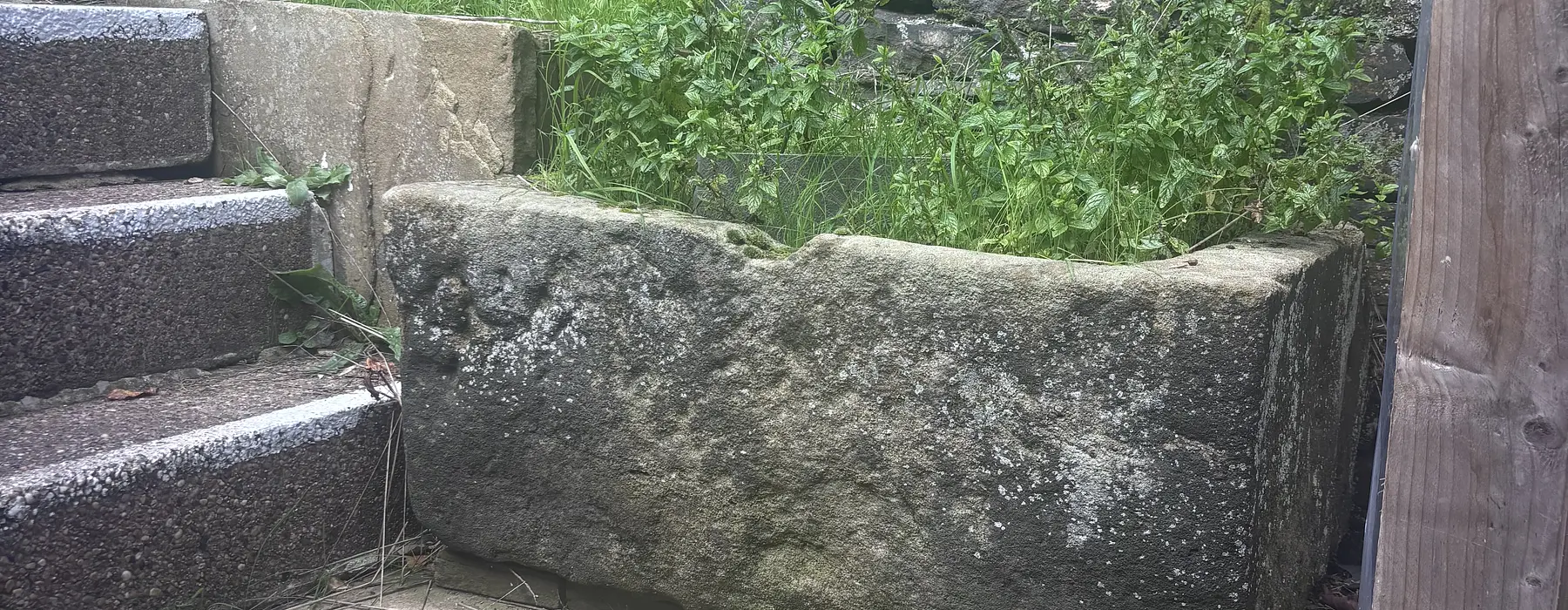
Round the back of the pub there’s a large stone well with a pouring spout. Most staff walk past it. If any comment after me writing this blog then at least I’ll know they’re reading the blogs. Hardly anyone gets the right answer about the well the first time, and most of them think I’m taking the p**s when I tell them. I’m not! For once!!
There’s a little stone spout, and a large well, round the back of the pub.
I’ve not done any AI on the photo, that’s it in its raw form. Yes, we do need to do some weeding. Ahem!
What you’re looking at is what’s left of a trade that ran through the woollen district of the West Riding for centuries. From the 17th century into the 19th, men’s urine was collected from our inn and sold on for the processing of raw wool or in the leather industry. Locally it was called lant. Not a polite word and not a polite job, but it was a proper commodity. Grease, dirt and the natural oil in a fleece does not shift with water alone. Fermented urine does the work. So it was kept. Stored. Traded. Bork! Haha!
The way it left the pub was simple enough. Plenty of homes and pubs had what was called a lant well set outside. Men went place to place collecting it.
Once it reached the mill, the wool went into a big tub or trough of water and lant, and men worked it with long paddles until the muck and the grease came out.
Come the early 19th century, somebody mechanised it. The wool was drawn along a wooden trough by paddles, then fed by hand through rollers that squeezed the liquid out. A fully mechanised way of doing it did come along eventually, though it doesn’t seem to have been common in Yorkshire until the 1830s.
Lant wasn’t only for washing. It was used as a mordant too, the fixative that helped dye take and stay. In the 1770s, Bridgehouse Mill at Haworth was an indigo mill, and lant was reckoned particularly good for indigo. Through the first half of the 19th century, small dyeworks set up in Keighley and drew specialist dyers into the town.
William Partridge, in his Practical Treatise on Dyeing of 1823, wrote that the urine of beer drinkers was the most sought after. Which may explain why a row of lant stones still survives in the yard at the rear of the Friendly Inn at Stanbury, there for anyone leaving the inn, and now you know we have ours still standing out the back albeit the mint growing trough now to our younger staff!
Same idea, different trade, over in Hull. Alum making needed aged human urine for the ammonium, mixed with leachate and roasted kelp for the potassium. They needed so much of it that public urinals were put up in Hull specifically for the alum works.
So that well at the back of the pub isn’t a quirk or trough. It’s the tail end of a trade that kept mills running, from Denholme to Haworth to Stanbury, and it’s still sitting there - ask any member of staff to see it if you’re interested just don’t spend a penny on this occasion.
If this was completely new information to you and you want to know more about Yorkshire and our part in the Industrial Revolution I highly recommend going round the Industrial Museum next to The Piece Hall, one of the most interesting museums in the area and one you must visit even if you’ve always lived here, please do support local and the lovely team of volunteers who keep it running xx
More from the inn
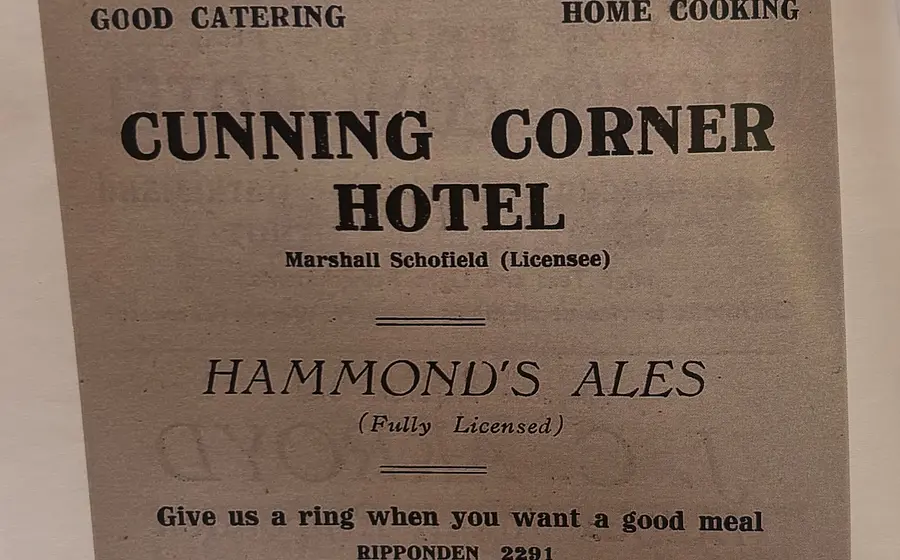
The Booth Wood Inn at Cunning Corner, Rishworth: Moorland History and a Dangerous 'Cunning' Bend
Our friend John Oats took this historic pub back to its original name in 2012. Its a bit further up the valley from us at The Old Bridge Inn, climbing high toward the wilder...
Read story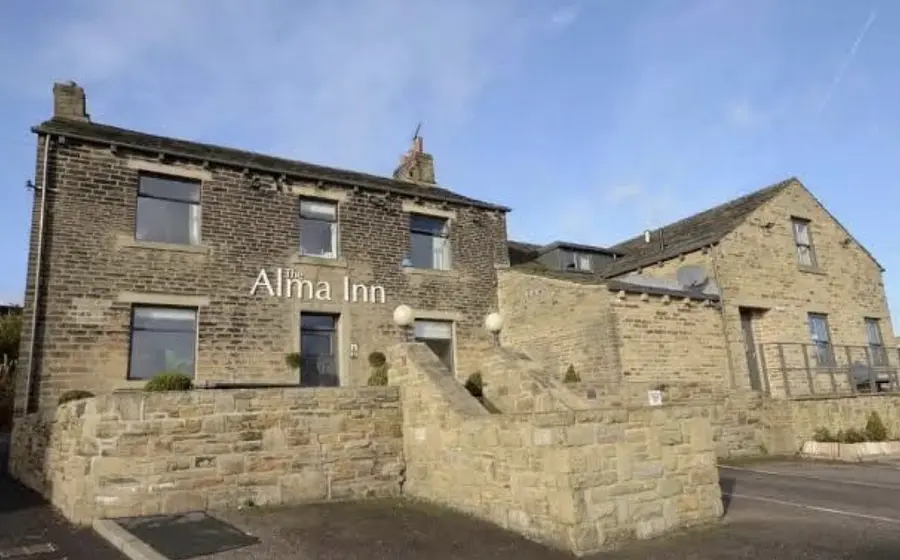
The Alma Inn, Cottonstones: Histories on Your Local Pubs
There’s more to our local pub history than what goes on within our own four walls at The Old Bridge Inn. Head up to Cottonstones, near Mill Bank, and you’ll find The Alma Inn,...
Read story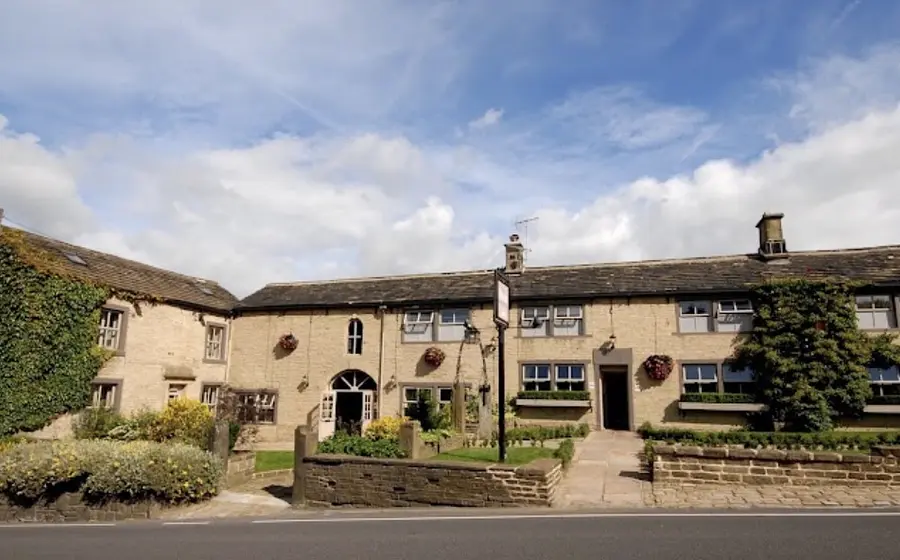
The Fleece Countryside Inn: Histories of Your Local Pubs
Valley Views and Cobbled Descents: Why The Fleece in Barkisland Belongs on Your Weekend Pub Crawl. Grab your hiking boots and get supping, there's views to be seen!
Read story