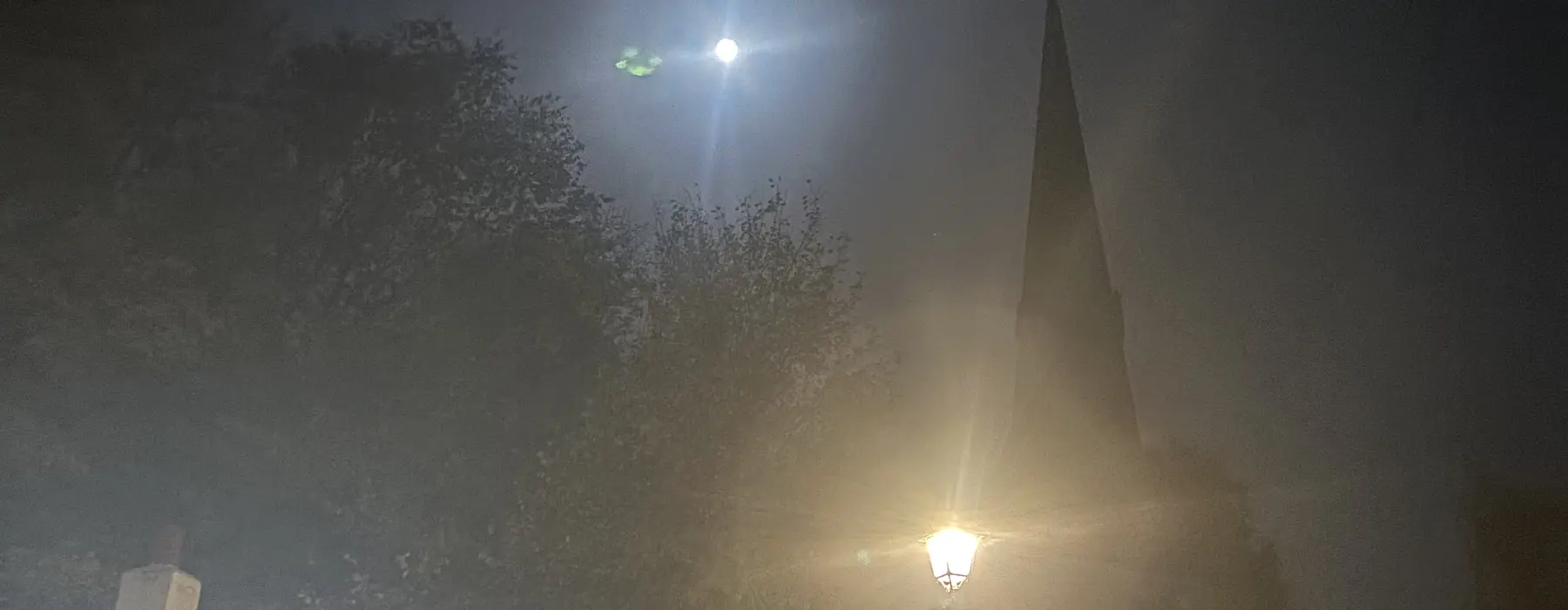
Local Area · 07 November 2026
Sparks, Smoke and Bangs: Why We Still Light Up the November Sky
There is a particular smell that belongs solely to early November in Britain. It’s that sharp, damp chill in the evening air cut through with the bite of burning oak, woodsmoke drifting over stone walls, and the faintest sulfurous tang of black powder. Around these parts, when the mist starts clinging to the moors and the pub hearth is roaring six deep with folk warming cold hands on a pint of bitter, you know Bonfire weekend has arrived.
Most of us know the drill from childhood: standing on squelching grass in thick woollen scarves, waving a sparkler until our fingers go numb, and nursing a baked potato wrapped in foil that’s somehow scalding hot on one side and stone cold in the middle. We sing the nursery rhyme about gunpower, treason, and plot, toss a guy on the fire, and watch the sky erupt in colour. If you stop and think about it it’s a remarkably eccentric British tradition. We are, after all, essentially gathering around an inferno to celebrate a catastrophic terrorist plot that failed over four hundred years ago.
The roots of the Fifth of November go back to 1605, when Guy Fawkes and his fellow conspirators smuggled thirty-six barrels of gunpowder into the cellars beneath Parliament. The plan was brutal, bloody, and simple: blow King James I and the entire political establishment sky-high in an attempt to restore a Catholic monarch to the throne. When Fawkes was caught red-handed in the undercroft with his lantern and slow matches, London rejoiced. People lit street fires in spontaneous relief that the King had survived, and by the following January, Parliament passed the Thanksgiving Act, legally obliging the nation to light bonfires every fifth of November forever after.
Yet while Guy Fawkes gave us the excuse for an annual knees-up, he certainly didn’t invent the spectacle that lights up our village greens. For that, you have to look much further back, nearly a thousand years before Fawkes ever set foot in Westminster.
The story of fireworks actually began by complete accident in ninth-century China during the Tang Dynasty. Chinese alchemists weren't trying to build weapons or put on a dazzling light show; they were on a desperate quest to brew an elixir of immortality. Instead of finding eternal life, they mixed together saltpetre, sulfur, and charcoal, heated the concoction, and promptly blew up their workshops. What they had stumbled upon was black powder.
Long before they became pyrotechnic art, early fireworks were born out of spiritual self-defence. People packed this volatile black powder into hollow stalks of green bamboo and threw them onto open fires. As the trapped air and sap expanded, the bamboo ruptured with a deafening crack. The purpose wasn't entertainment; it was to terrify and banish evil spirits, ghosts, and mythical beasts, most notably the Nian, a predatory monster said to terrorise villages at the turn of the year. If you could make enough noise and smoke, so the belief went, the darkness would leave you and your harvest in peace.
It wasn't long before military minds realised that something loud enough to scare demons was equally handy for terrifying enemy soldiers. The Chinese developed flaming arrows, fire lances, and thunderclap bombs. By the thirteenth century, traders and crusaders travelling along the Silk Road carried the explosive secret westward into the Middle East and Europe. Once here, European rulers became obsessed with pyrotechnics—not just for siege warfare, but as grand political theatre. By the Tudor eras, elaborate firework pageants were staged over the Thames to mark royal coronations and military triumphs, using iron filings and powdered glass to throw off golden sparks.
Curiously, those early gunpowder concoctions would have looked very different from what we see illuminating the church steeple today. Up until the nineteenth century, fireworks were mostly noise, thick smoke, and a dull, fiery orange glow. It wasn't until the 1830s that Italian pyrotechnicians figured out how to introduce metal salts into the mix they included strontium for brilliant reds, copper for deep blues, barium for greens, and sodium for piercing yellows. In a strange twist of history, the rich colours we associate with celebrating the thwarting of the Gunpowder Plot didn't even exist when the plot was actually foiled.
So when you’re standing out in the cold this week, listening to the crackle of seasoned timber and watching bursts of emerald and crimson reflect off the wet cobbles, take a moment for the sheer history of it all. You’re warming yourself by an old English tradition born of seventeenth-century intrigue, while looking up at a craft invented over a millennium ago by Taoist monks who simply wanted to live forever and keep the dark at bay.
Wrap up warm, keep your pets indoors, and once the final rocket has fizzled out and the embers die down, come on inside to the fire. There’s a pint waiting by the hearth xx
More from the inn
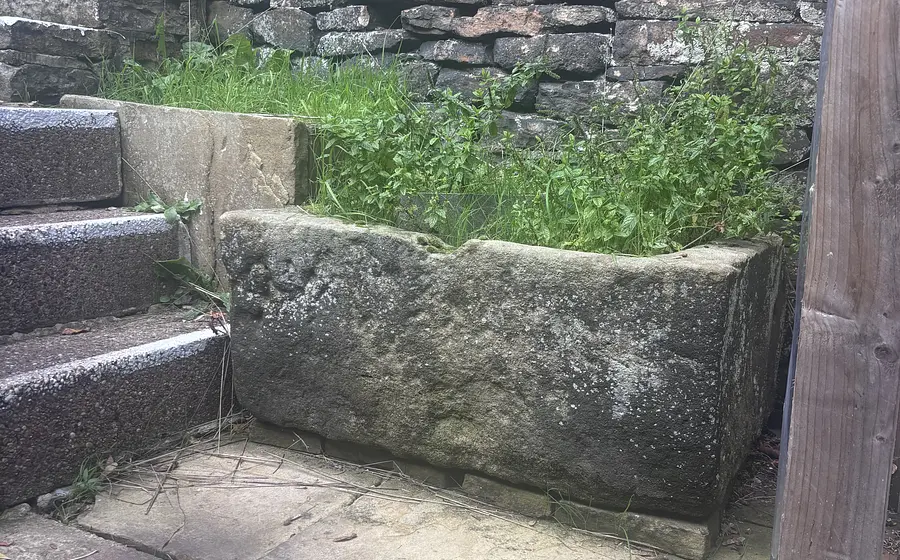
Am I Taking The P**s: The Well Round the Back, and Why Yorkshire Once Paid Good Money for What Went In It
Round the back of the pub there’s a large stone well with a pouring spout. Most staff walk past it. If any comment after me writing this blog then at least I’ll know they’re...
Read story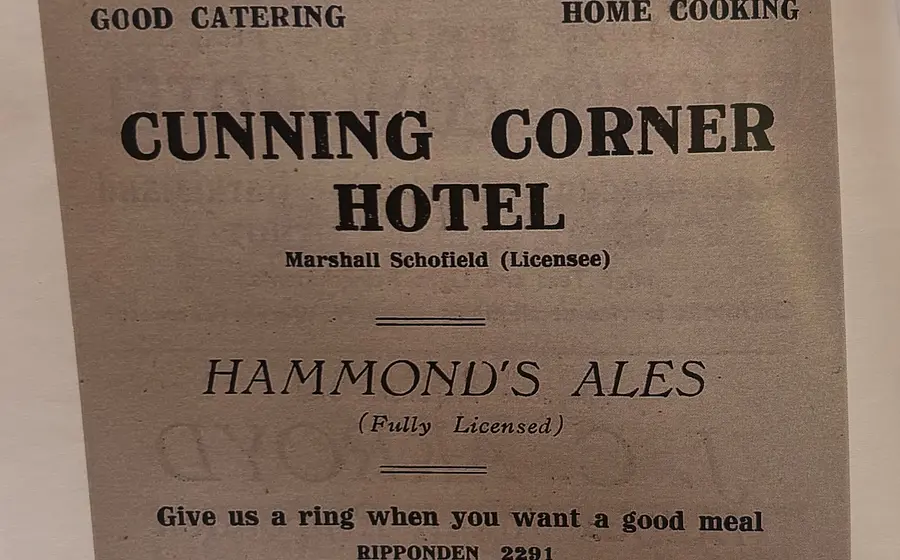
The Booth Wood Inn at Cunning Corner, Rishworth: Moorland History and a Dangerous 'Cunning' Bend
Our friend John Oats took this historic pub back to its original name in 2012. Its a bit further up the valley from us at The Old Bridge Inn, climbing high toward the wilder...
Read story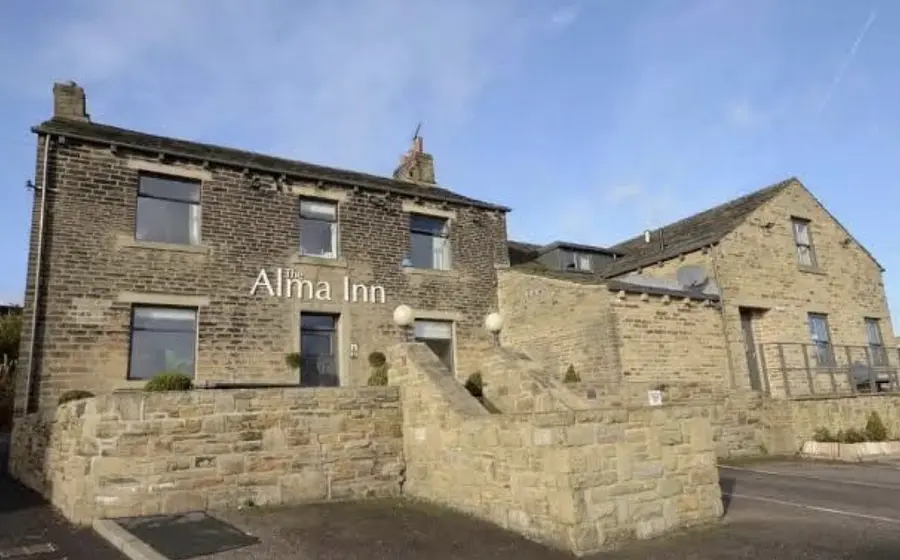
The Alma Inn, Cottonstones: Histories on Your Local Pubs
There’s more to our local pub history than what goes on within our own four walls at The Old Bridge Inn. Head up to Cottonstones, near Mill Bank, and you’ll find The Alma Inn,...
Read story